

Blog 47
**Keywords:** Fear and Greed Index, Crypto Fear and Greed Index, cryptocurrency market sentiment, investing in crypto, Bitcoin market analysis, crypto investment strategies, market volatility, social media sentiment in crypto, crypto market momentum, risk management in crypto
The Fear and Greed Index is a popular tool used to gauge the general sentiment in financial markets. It measures the level of fear or greed among investors, indicating whether the market is undervalued or overvalued based on various indicators.
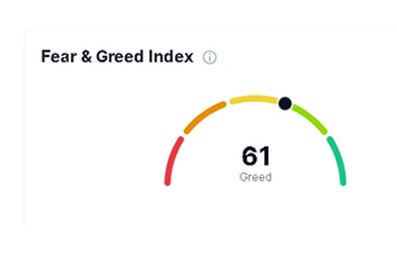
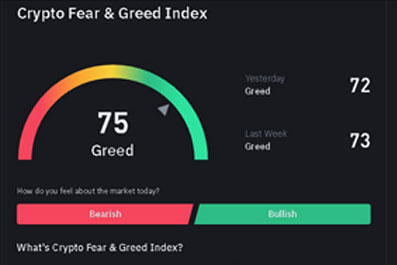
In traditional financial markets, the Fear and Greed Index helps investors understand the prevailing sentiment, enabling them to make informed decisions. The index can highlight potential buying opportunities during periods of fear and caution during times of greed.
This post aims to explain the Fear and Greed Index in the context of cryptocurrency markets, how it is calculated, and how investors can use it to their advantage.
The Fear and Greed Index graph typically uses a color-coded system to visually represent different levels of market sentiment. Each color corresponds to a specific range of values on the index, making it easy to quickly gauge the overall mood of the market. Here's what each color signifies:
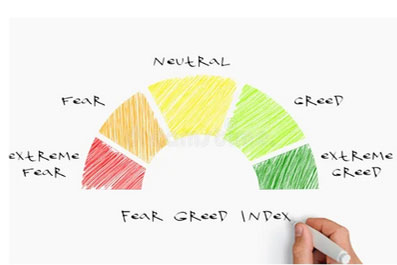
This color represents the highest level of fear in the market. Investors are extremely worried, leading to panic selling and significantly lower prices.
Consider buying, as prices are often undervalued due to widespread panic.
Red indicates a fearful market, though not as severe as dark red. Investors are still cautious, and there is a moderate level of selling pressure.
Look for buying opportunities, as prices may still be relatively low and attractive for accumulation.
Yellow represents a balanced market sentiment, where fear and greed are in equilibrium. Prices are stable, with no strong trend in either direction.
Use this time to strategically plan your investments, accumulate assets, and rebalance your portfolio.
Meaning: Light green indicates that the market is leaning towards greed. Investors are optimistic, and prices are rising, often driven by increased buying pressure.
Investor Action:Consider selling portions of your holdings to lock in profits and prepare for potential corrections.
Dark green signifies extreme greed in the market. Investors are overly optimistic, which can lead to inflated prices and potential market bubbles.
Strongly consider selling significant portions of your holdings to maximize profits before a likely market correction.
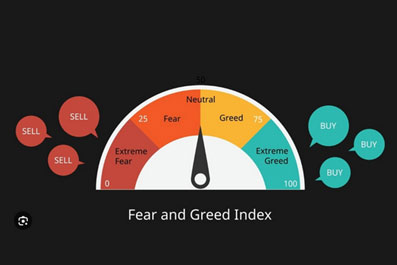
• Dark Red (0-24):Extreme Fear - High panic, undervalued prices (Consider buying).
• Red (25-49): Fear - Caution, potential undervaluation (Look for buying opportunities).
• Yellow (50):Neutral - Stability, balanced sentiment (Plan, accumulate, rebalance).
• Light Green (51-74): Greed - Optimism, rising prices (Consider selling portions).
• Dark Green (75-100): Extreme Greed - Over-optimism, potential bubble (Consider selling significant portions).
• Using this color-coded system helps investors quickly interpret market sentiment and make informed decisions based on the prevailing emotional state of the market.
The Fear and Greed Index is composed of several factors that collectively measure market sentiment. These factors typically include market volatility, market momentum, social media sentiment, and more.
The index is calculated by aggregating data from various sources and assigning a score from 0 (extreme fear) to 100 (extreme greed). Each component contributes to the overall score, offering a snapshot of market sentiment.
The Fear and Greed Index was originally created by CNNMoney for the traditional stock market. Its success in highlighting market extremes led to adaptations for the cryptocurrency market.
In traditional markets, the index helps investors identify extremes in market sentiment, guiding investment strategies. It often reflects changes in stock prices, trading volumes, and market trends.

For cryptocurrencies, the index has been adapted to reflect the unique characteristics of the crypto market, including higher volatility and the significant impact of social media on market sentiment.
For short-term investors, timing the market is crucial. Key tips include:
Volatility measures the degree of variation in cryptocurrency prices. High volatility indicates fear, while low volatility suggests greed.
This component looks at trading volumes and price momentum. High trading volumes during a price increase signify greed, while high volumes during a decrease indicate fear.
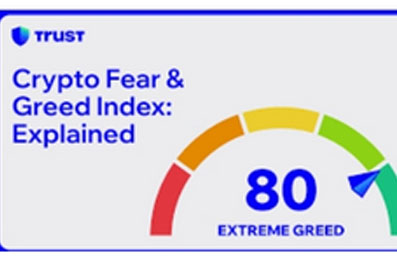
• 0-24 (Extreme Fear): A potential buying opportunity as the market may be undervalued.
• 25-49 (Fear): Investors are worried, possibly indicating a buying opportunity.
• 50-74 (Greed): Market is becoming overvalued; proceed with caution.
• 75-100 (Extreme Greed):High risk of a market correction or downturn.
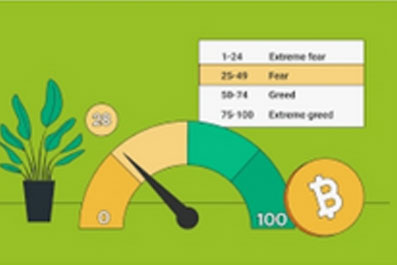
For instance, during Bitcoin’s price surge in late 2017, the Fear and Greed Index showed extreme greed, preceding a significant market correction.
The index, while useful, is not infallible. It should be used in conjunction with other analysis tools. Critics argue it may sometimes reflect lagging sentiment rather than predictive insights.
Investment Strategies Based on the Index
Investors can use the index to time their market entries and exits. Buying during periods of fear and selling during times of greed can be a profitable strategy.
The index can help investors manage risk by highlighting overbought or oversold conditions, aiding in decision-making regarding portfolio adjustments.
Using the index to identify market extremes can assist in better timing for buying and selling crypto assets, maximizing returns and minimizing losses.
• Bitcoin 2017 Surge:Extreme greed indicated a market peak before the subsequent crash. • Crypto Winter 2018: Extreme fear signaled potential buying opportunities during the market lows.
During extreme fear, savvy investors often increase their holdings, while extreme greed may lead to profit-taking or cautious positioning.
Websites like Alternative.me and Crypto Fear & Greed Index provide up-to-date information on the current market sentiment.
Books, articles, and online courses on market sentiment analysis and cryptocurrency investment can provide further learning opportunities.
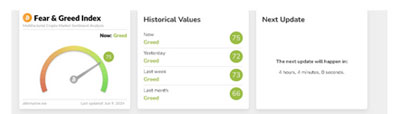
The Fear and Greed Index is a valuable tool for assessing market sentiment in crypto markets, helping investors make informed decisions.
While the index provides useful insights, it should be used alongside other analytical tools and strategies.
Start monitoring the Fear and Greed Index today and incorporate it into your crypto investment strategy to make more informed decisions.
Consult cryptomom today
The Fear and Greed Index measures market sentiment, indicating whether investors are feeling fearful or greedy.
It aggregates data from various indicators such as market volatility, momentum, social media sentiment, and more to assign a score from 0 to 100.
It helps investors gauge market sentiment, potentially identifying buying or selling opportunities.
While it provides valuable insights, it should be used with other tools and not as a sole predictor.
A high score indicates greed, suggesting the market may be overvalued and due for a correction.
A low score indicates fear, suggesting the market may be undervalued and presenting a buying opportunity.
The index is typically updated daily, reflecting the latest market conditions.
Websites like Alternative.me provide up-to-date information on the index.
While it primarily reflects the sentiment of major cryptocurrencies like Bitcoin, it can provide general market insights.
It is a useful tool but should be used in conjunction with other analysis methods for best results.
This comprehensive guide aims to educate both beginners and seasoned investors in the crypto market on the Fear and Greed Index, providing actionable insights and practical strategies.
Fear (25-49) When the Fear and Greed Index indicates fear, investors are generally worried about the market's future. This can be due to recent downturns, negative news, or general uncertainty. However, for savvy investors, this often represents a buying opportunity:
• Why Buy: Fear-driven markets tend to have lower prices as many investors sell off their holdings, leading to potential bargains.
• Strategy: Look for fundamentally strong cryptocurrencies that have been unduly punished by market sentiment. Accumulate positions gradually to avoid timing mistakes.
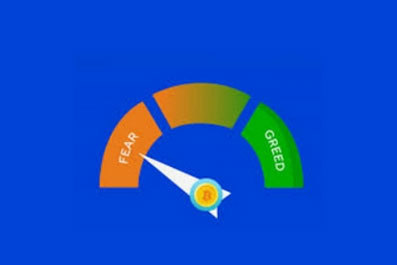
Example: During a market correction, if the index shows a score of 30, indicating fear, it could be a good time to buy Bitcoin or other major cryptocurrencies at a discount.
Greed (50-74) When the index indicates greed, it means investors are becoming overly optimistic, pushing prices higher. This can be a sign that the market is nearing overvaluation:
• Why Sell: Markets driven by greed can become overbought, increasing the risk of a correction.
• Strategy: Consider selling portions of your holdings to lock in profits. Use the proceeds to either hold cash or reinvest in undervalued assets.
Example: If the index shows a score of 70, indicating high levels of greed, it might be wise to sell part of your holdings in Ethereum as prices could be nearing a peak.
Extreme Fear (0-24) Extreme fear signifies panic and significant selling pressure in the market. Prices are often at their lowest as investors capitulate:
• Why Buy: Extreme fear can present the best buying opportunities as quality assets are sold off indiscriminately.
• Strategy: Deploy capital carefully and consider dollar-cost averaging to spread out your purchases and minimize risk.
Example: During a market crash, if the index drops to 15, indicating extreme fear, this could be an excellent time to buy top cryptocurrencies like Bitcoin or Ethereum at heavily discounted prices.
Extreme Greed (75-100) Extreme greed indicates a market driven by irrational exuberance, often leading to unsustainable price levels:
•
Why Sell: Markets in extreme greed are prone to sharp corrections. Selling at these levels can maximize profits.
• Strategy: Gradually sell off your holdings to avoid missing out on further gains if the market continues to rise, but be prepared for a potential downturn.
Example: If the index shows a score of 85, indicating extreme greed, it might be a prudent time to take profits on your investments in altcoins that have seen significant price increases.
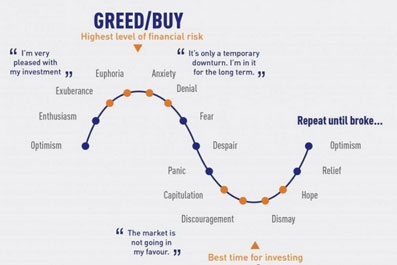
• Diversify: Use the index as a part of a diversified investment strategy. Don’t rely solely on it for your buying and selling decisions.
• Monitor Regularly: Keep an eye on the index daily to stay updated with market sentiment and adjust your strategies accordingly.
• Combine with Other Analyses: Use technical analysis, fundamental analysis, and other sentiment indicators to get a comprehensive view of the market.
• Risk Management: Always manage your risk by setting stop-loss orders and position sizes according to your risk tolerance.
By applying these strategies based on the Fear and Greed Index, you can make more informed decisions about when to buy and sell cryptocurrencies, potentially improving your investment returns and reducing risk.
Neutral (50) A neutral reading on the Fear and Greed Index indicates a balanced market sentiment where fear and greed are relatively equal. This equilibrium suggests that the market does not exhibit strong emotions in either direction, and prices are generally stable.
• Market Balance: A neutral score indicates that investors are neither overly fearful nor excessively greedy. The market is in a state of equilibrium.
• Stability: Prices are likely to be more stable compared to periods of high fear or greed. There is no strong selling or buying pressure dominating the market.
• Caution and Opportunity: While there may be less volatility, the neutral phase offers a chance to re-evaluate and plan strategic moves.
Strategic Accumulation
• Why Buy: Neutral periods provide a stable environment to accumulate assets without the pressure of sudden market swings. This is an ideal time to build positions in cryptocurrencies with strong long-term potential.
• Strategy: Focus on researching and investing in fundamentally sound projects. Use this time to diversify your portfolio and ensure a balanced mix of assets.
• Example: If the Fear and Greed Index is at 50, indicating neutrality, it’s a good opportunity to buy established cryptocurrencies like Bitcoin and Ethereum, as well as promising altcoins, without the pressure of immediate market fluctuations.
Rebalancing Portfolio
• Why Sell: Neutral periods are also suitable for rebalancing your portfolio, especially if some assets have grown disproportionately compared to others.
• Strategy: Evaluate your portfolio to ensure it aligns with your investment goals and risk tolerance. Consider taking profits from over-performing assets and reinvesting in underperforming, yet promising ones.
• Example: If the index shows neutrality, and you find that your holdings in a particular altcoin have grown excessively compared to others, you might sell a portion to diversify into other promising cryptos.
• Focus on Fundamentals: With market sentiment balanced, this is an excellent time to delve into the fundamental analysis of various cryptocurrencies. Assess their technology, development team, market potential, and real-world use cases.
• Plan and Research: Use the stable market conditions to plan your investment strategy. Research new projects, study market trends, and read up on the latest news and developments in the crypto space.
• Set Goals and Limits: Define your investment goals and set clear buy and sell limits. Neutral phases are perfect for creating a disciplined investment plan without the emotional pressures of extreme market conditions.
• Monitor Trends: Keep an eye on the overall market trends and be prepared to act if the index starts moving towards fear or greed. Staying informed helps you to anticipate and react to market changes promptly.
By understanding and utilizing the neutral phase of the Fear and Greed Index, you can make more informed and strategic decisions in your cryptocurrency investments. This balanced approach helps in maintaining a disciplined investment strategy, ultimately contributing to better long-term results.